Waiting in Silence
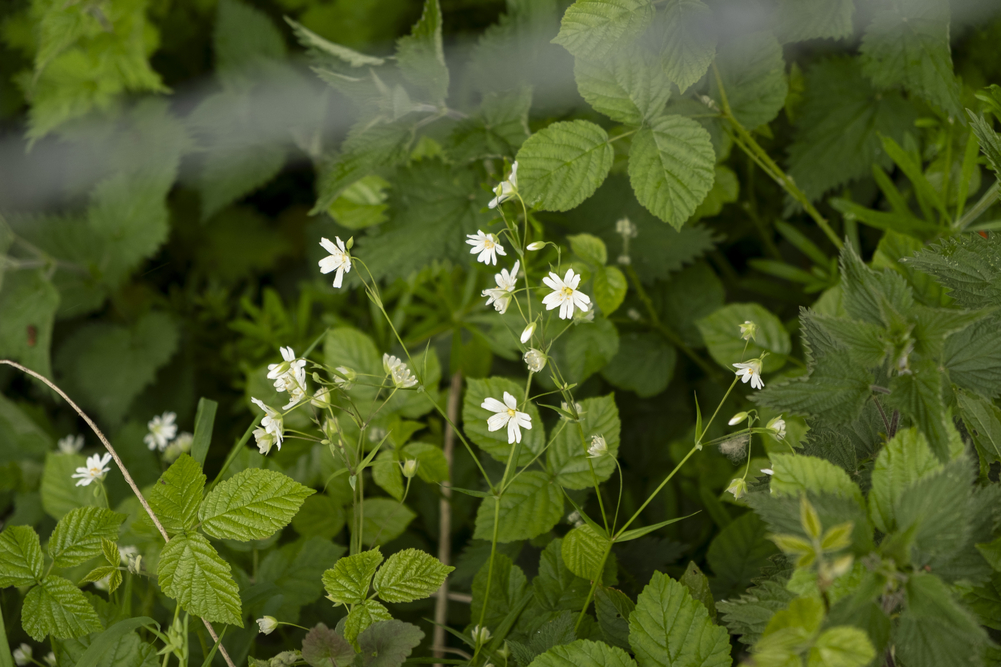
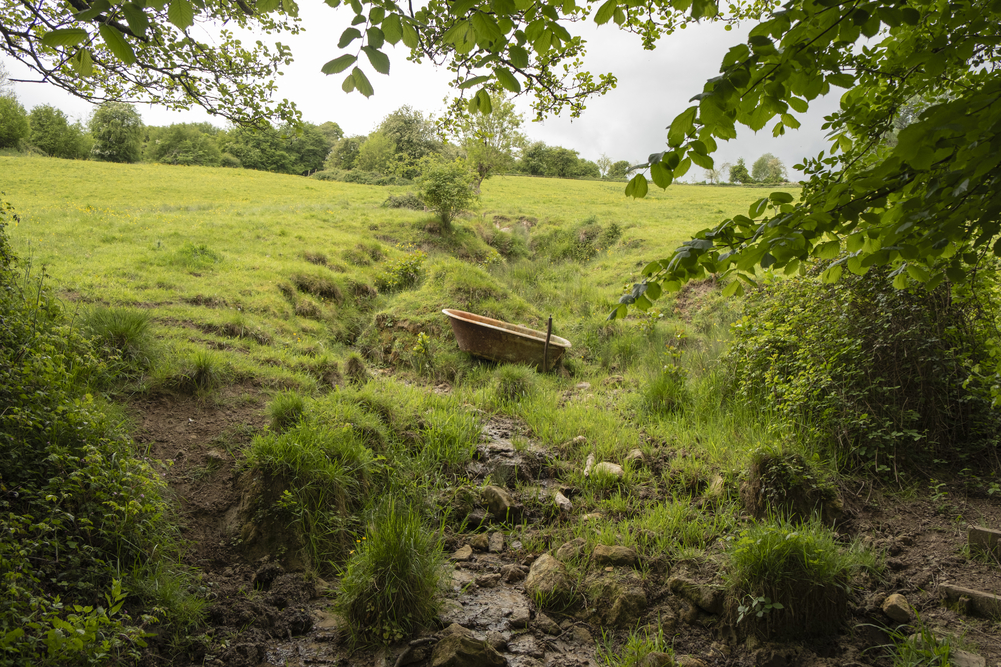
A bank of stitchwort cupping a stream. Nettles, sticky willy, ground ivy. A plane powers down overhead and swings a 180 around Bath to line up with the runway at Bristol.
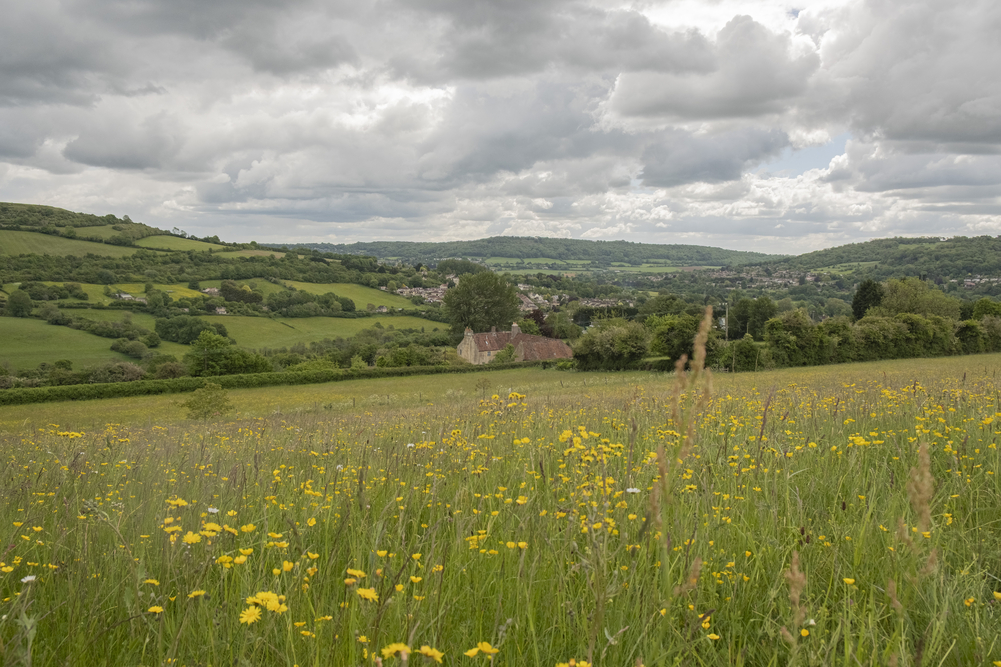
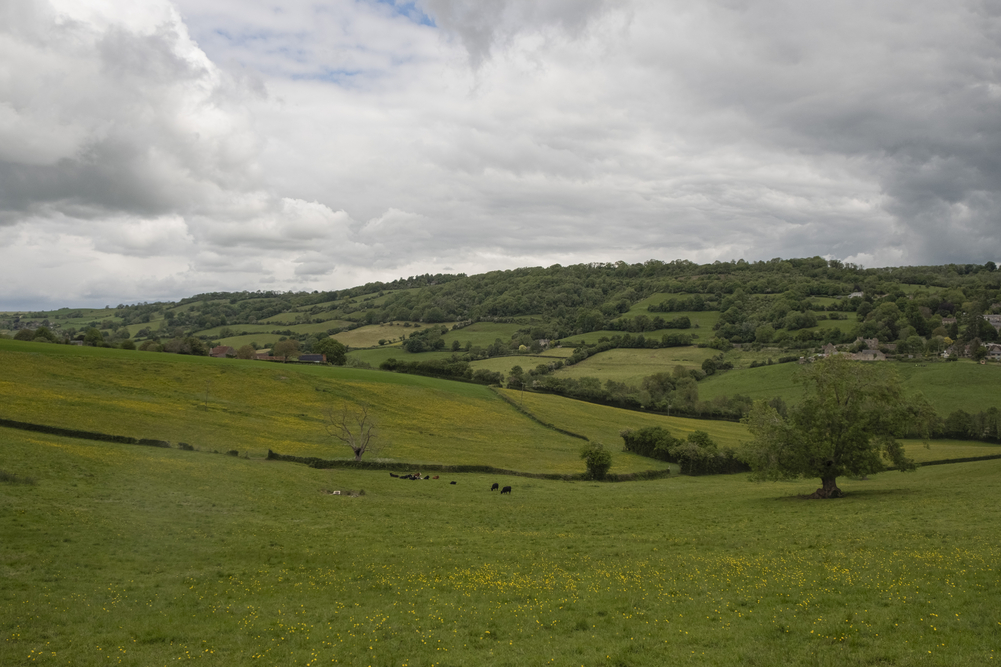
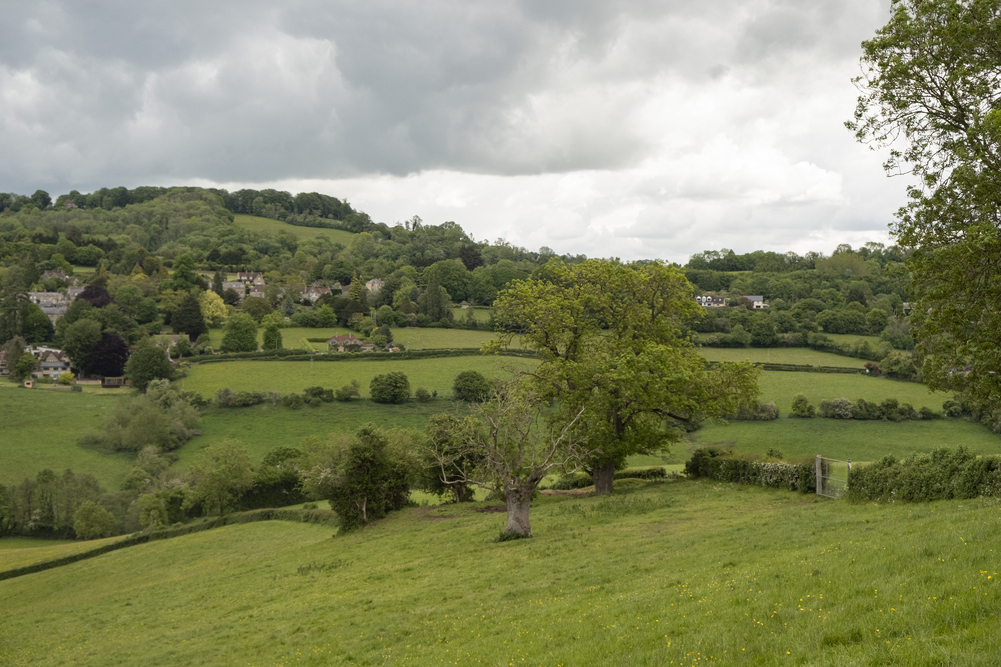
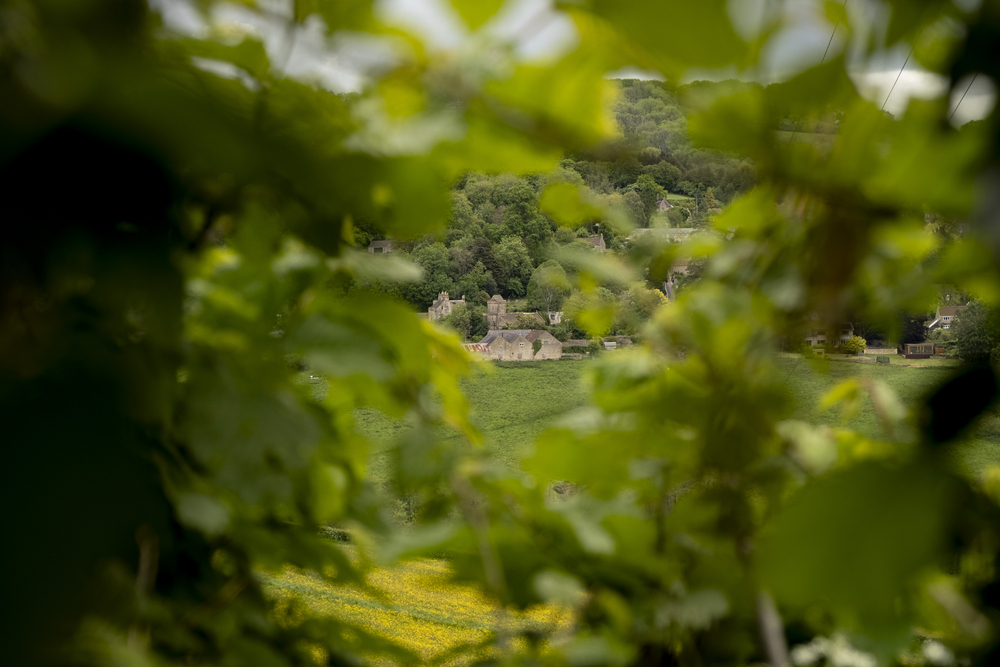
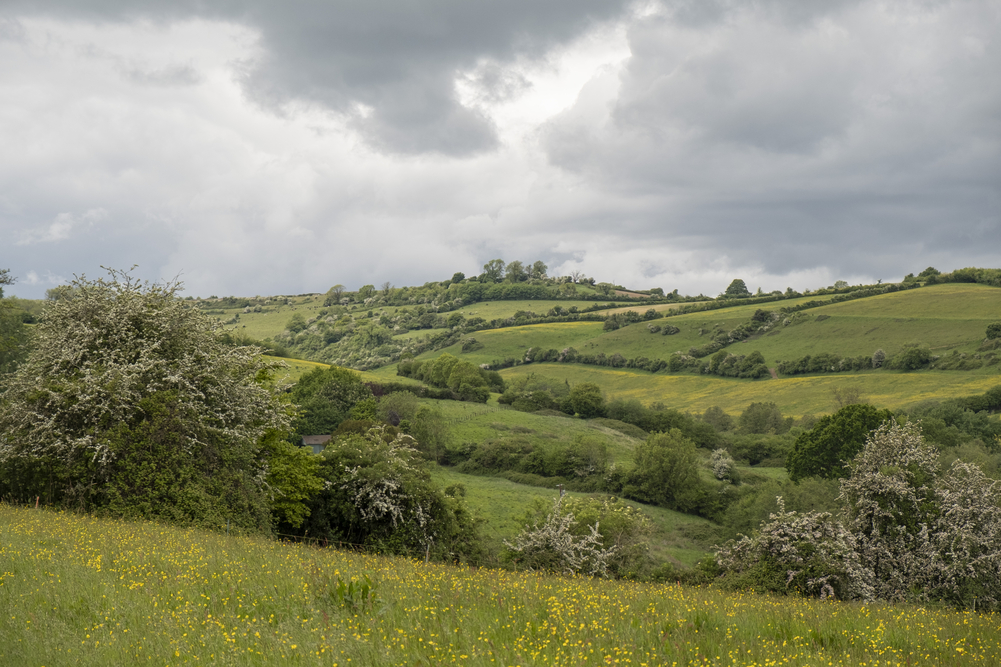
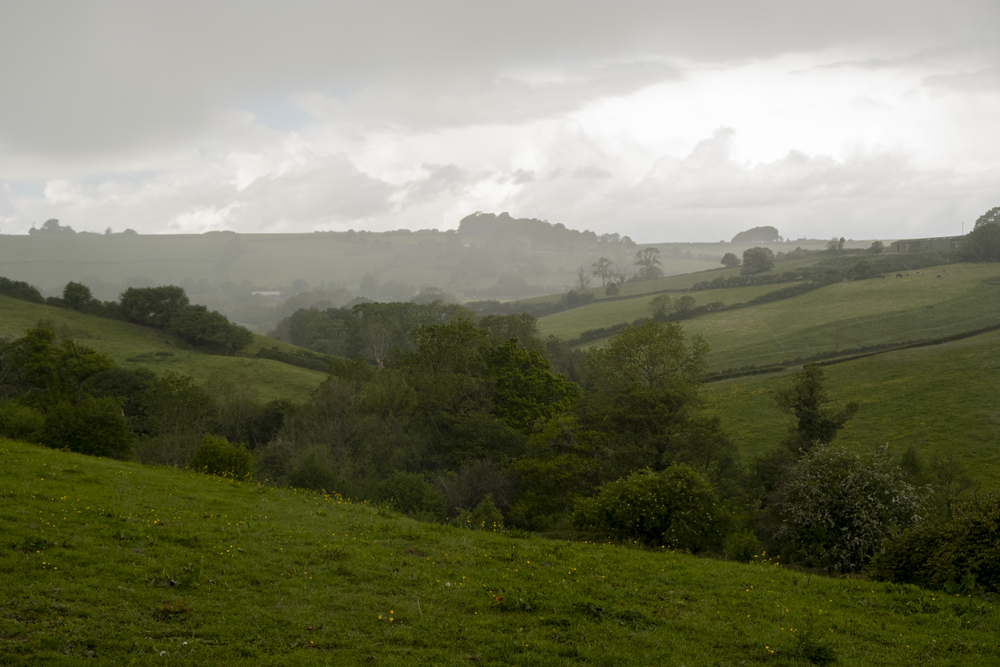
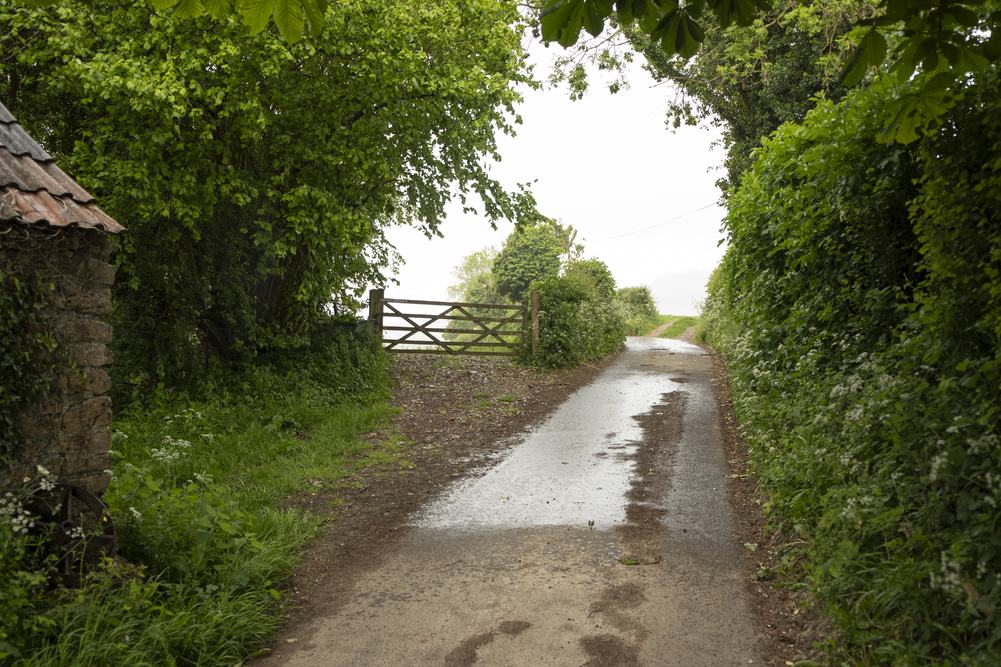
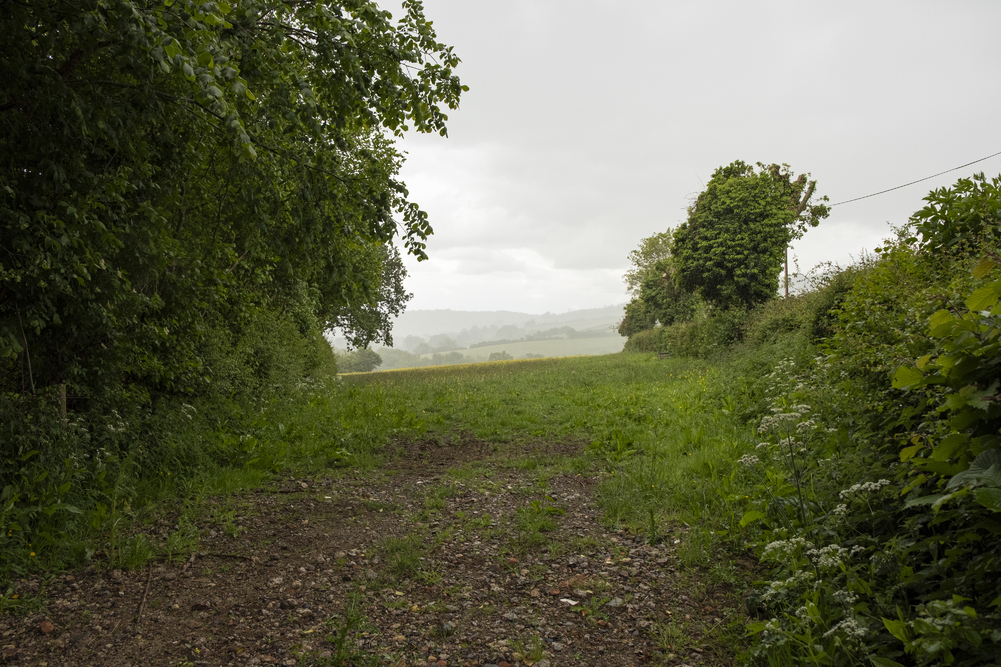
I shelter from a passing shower under broad chlorophyll-stuffed oaks. It rains on and off all day but there is some grace about it; behind this harmless curtain of moisture the valley hugs me close and we pretend we’re not here, not part of the rest of the world.
Spires of garlic mustard. A dunnock shitting from a telephone wire.
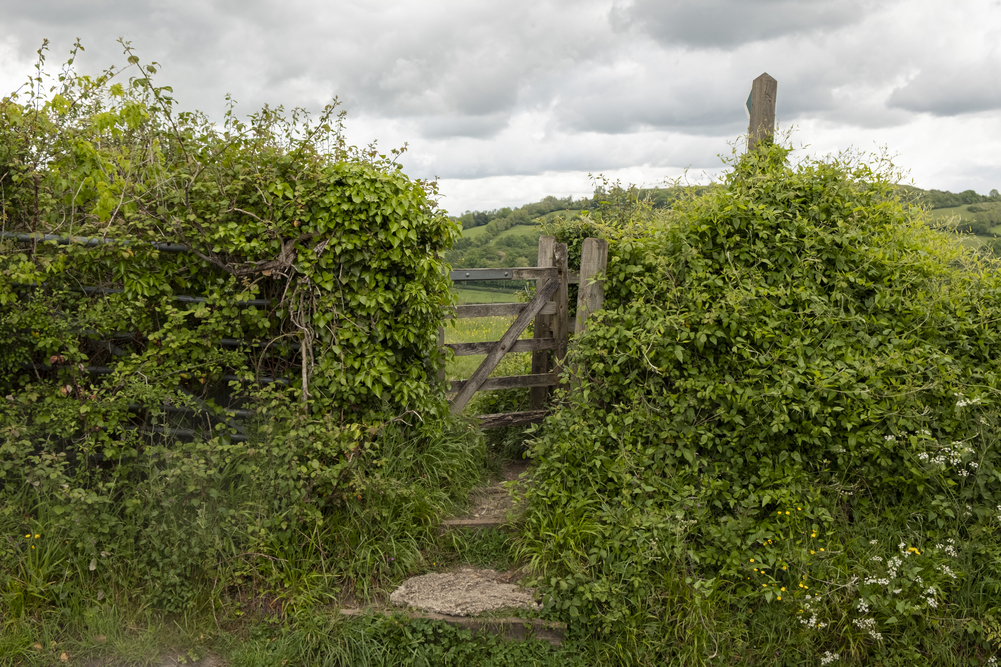
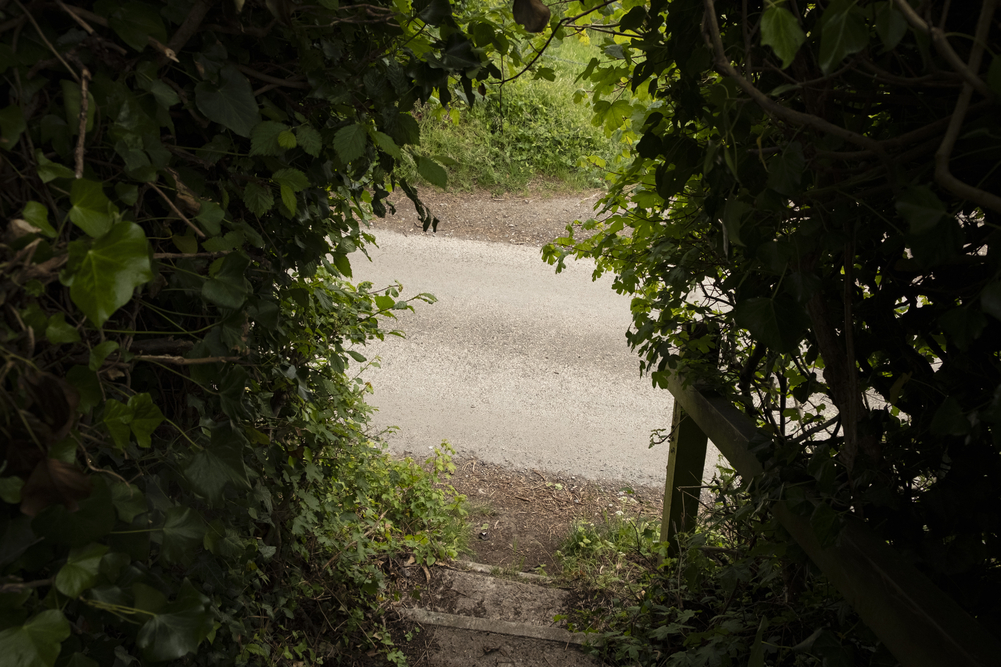
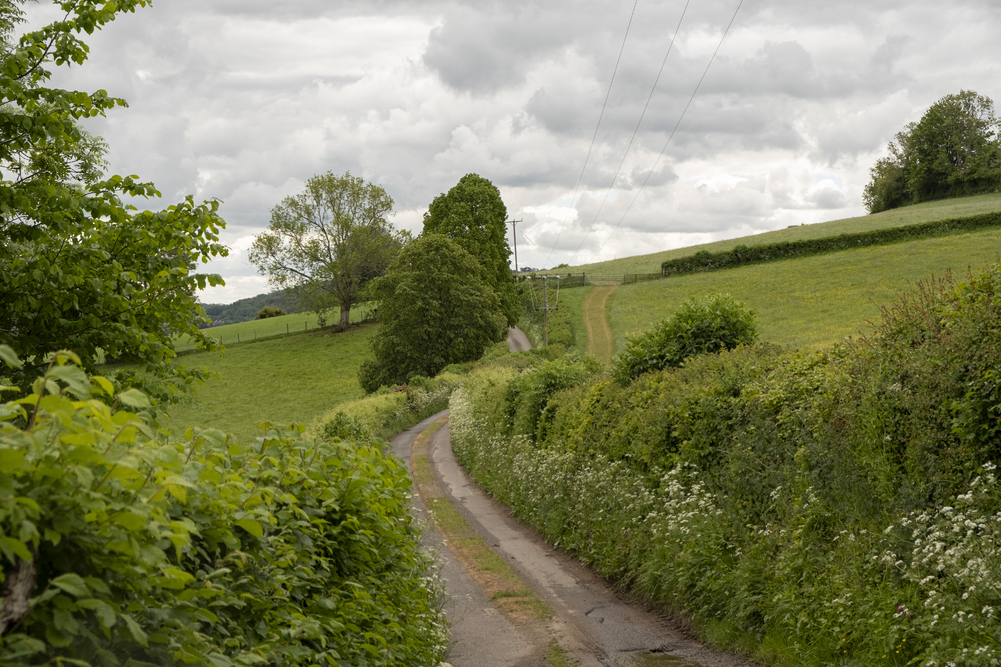
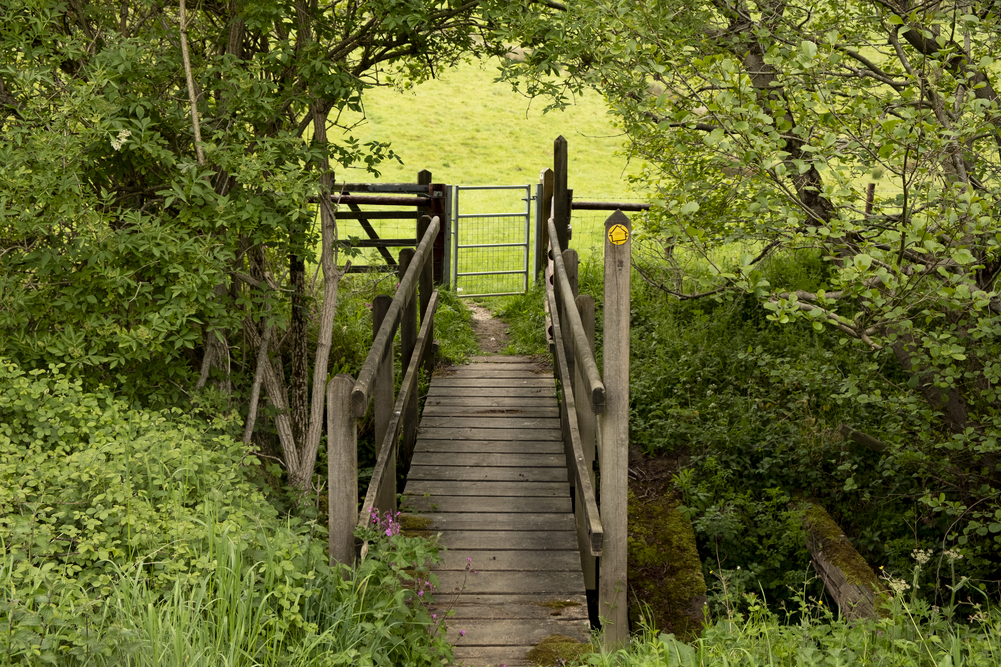
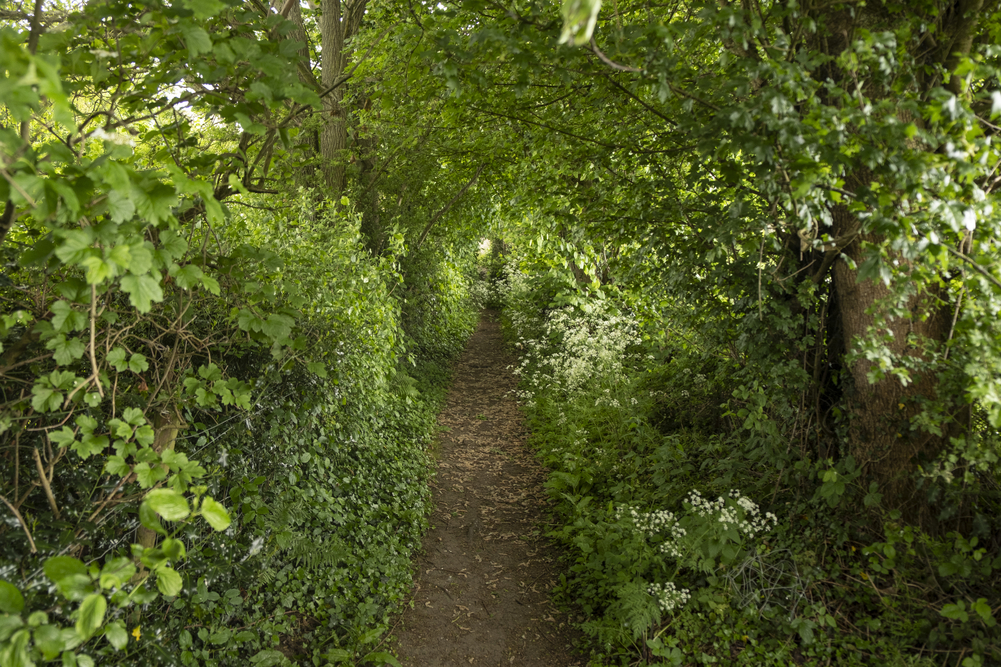
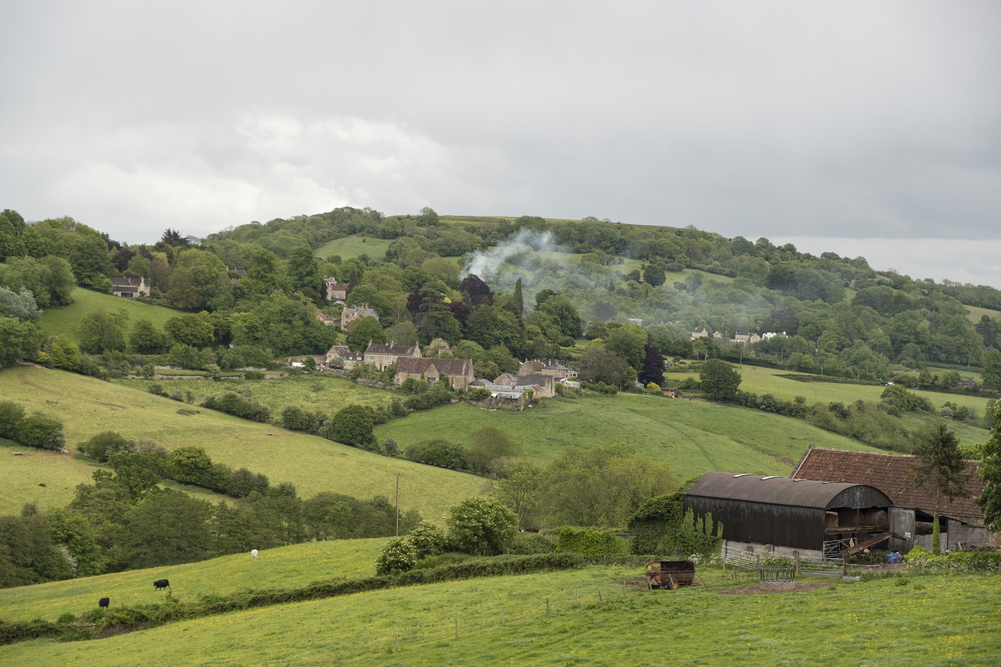
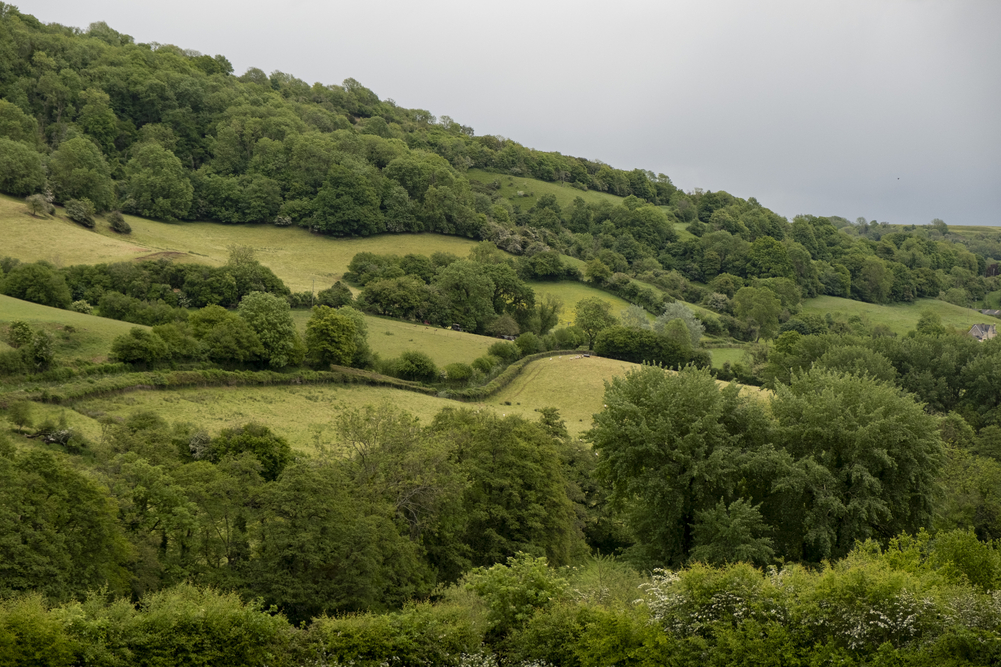
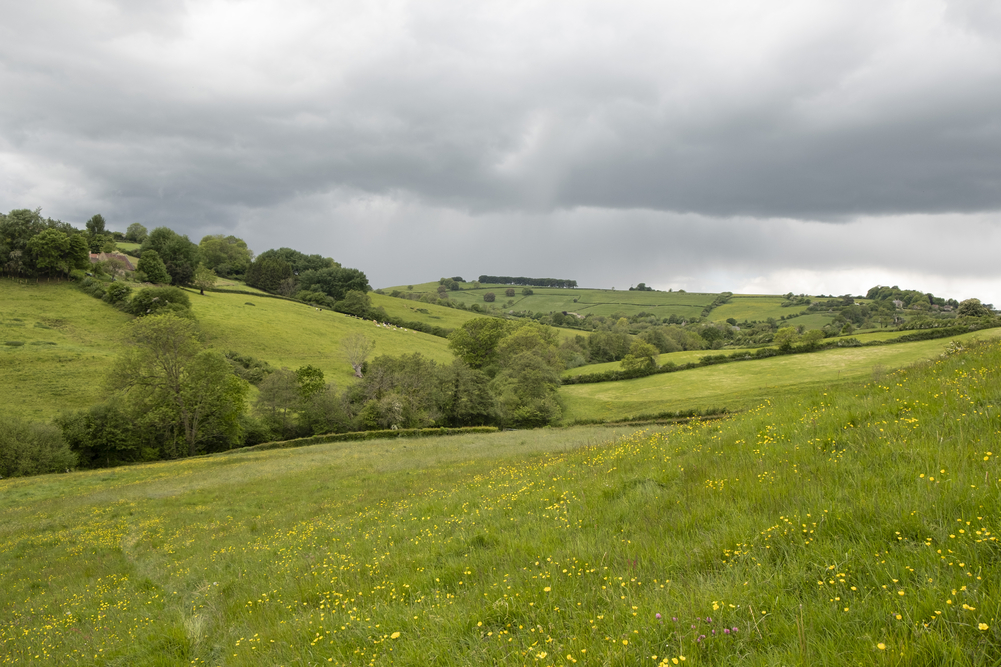
The valley seesaws West to East and I traverse it like a rope bridge, joining the dots of three churches via green lanes with grassy centres, edges of fields, and yellow-circle-marked footpaths.
The peace of Christ–
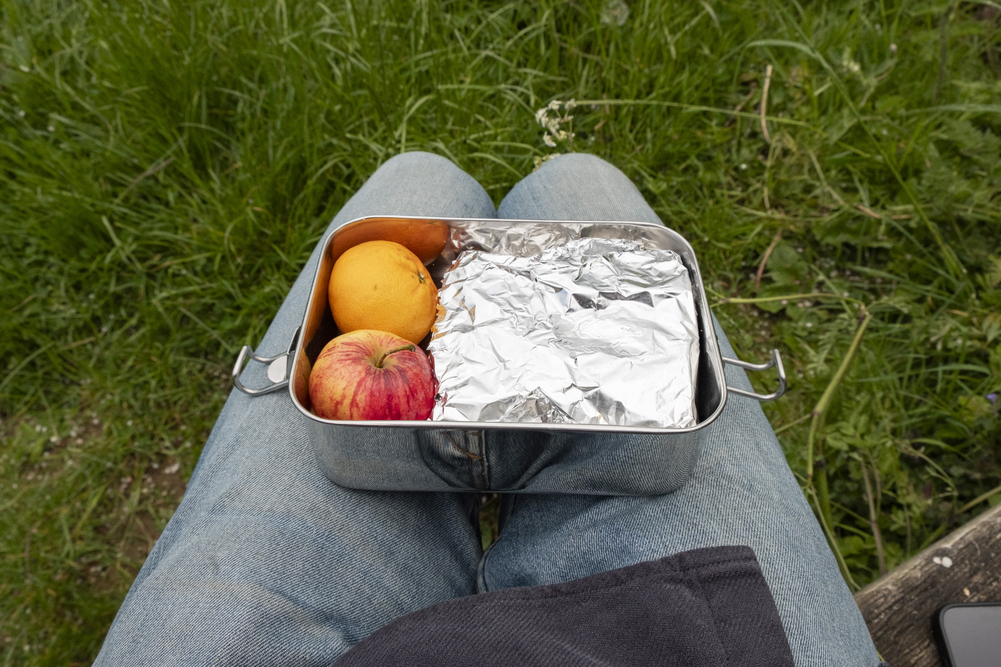
My lunchbox clangs open. Go-to egg mayonnaise sandwiches, two bottom-of-the-barrel rich tea biscuits, an easy peeler, an apple. Water.
A class of primary-aged children, wooden walking sticks in hand, gone feral at the bottom corner of a field. The teacher corals each stray, and calls the register. Each child raises their stick to their bellowed name. The boys call louder and louder before the list of names finally wears itself out.
As I walk out of St Mary Magdalene a soft rain is falling again. A green woodpecker passes in waveform flight, its yellow bum cutting the scene in two.
Swallows and house Martens. A poem of flower names writes itself unintentionally in my notebook:
Sticky mouse-ear chickweed
Beaked hawksbeard
Lesser hop trefoil
Carpet bugle
Ransoms.
Cows and heavy horses move purposefully from the centre of fields to any shelter they can find during yet another shower. I don’t have time to pull my raincoat on before the rain abates and the sun returns. I clean my lens with a corner of t-shirt.
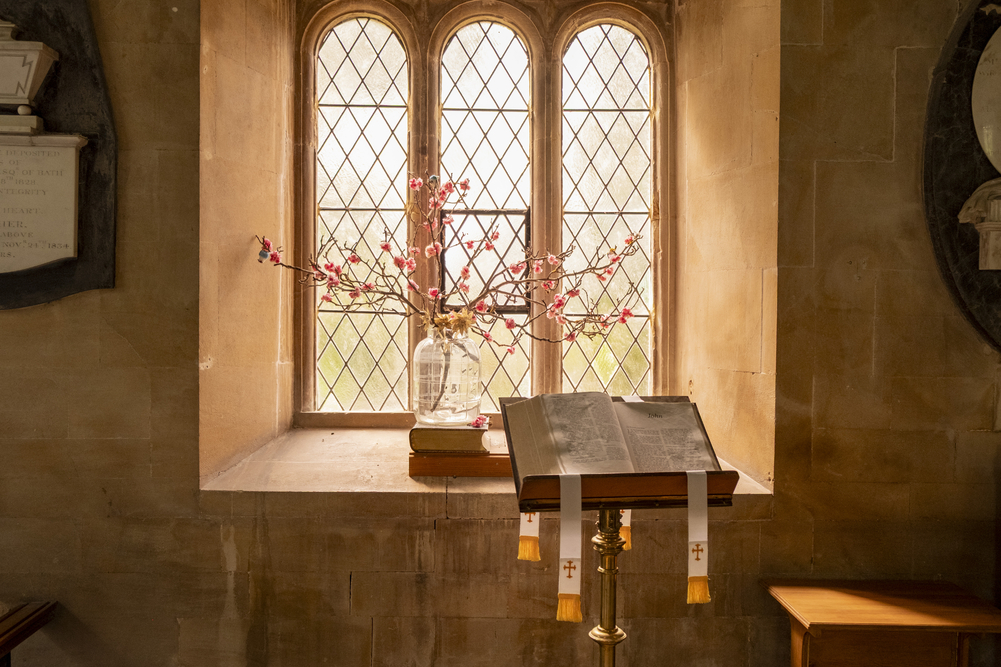
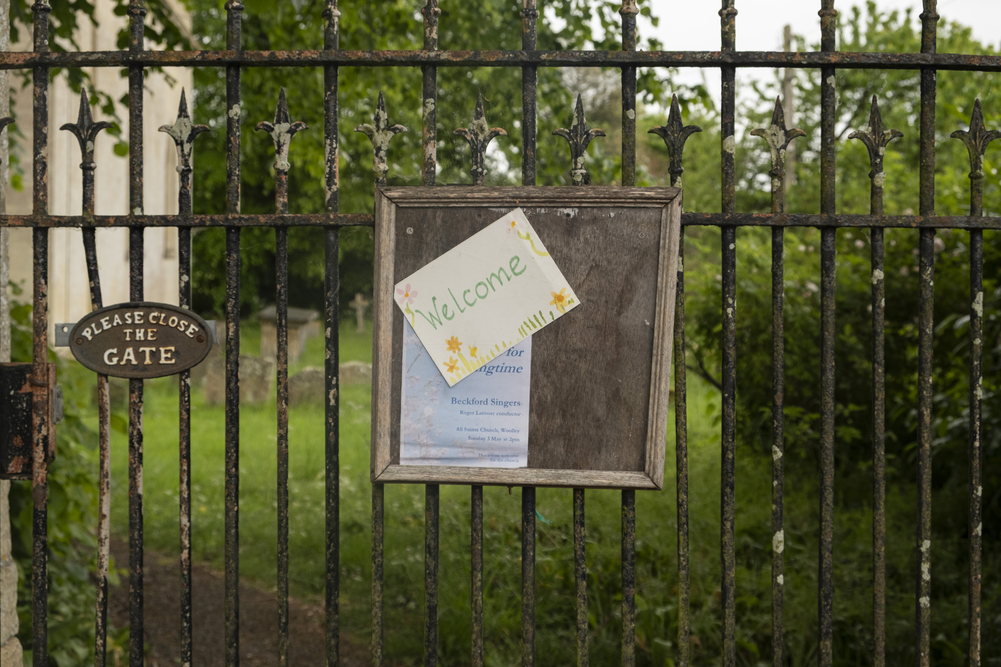
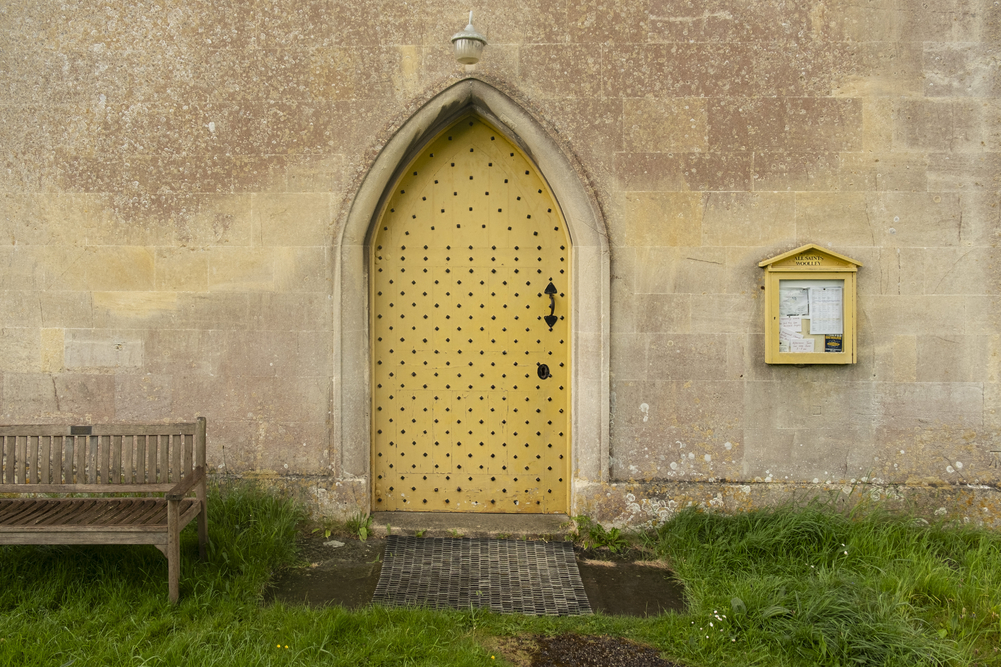
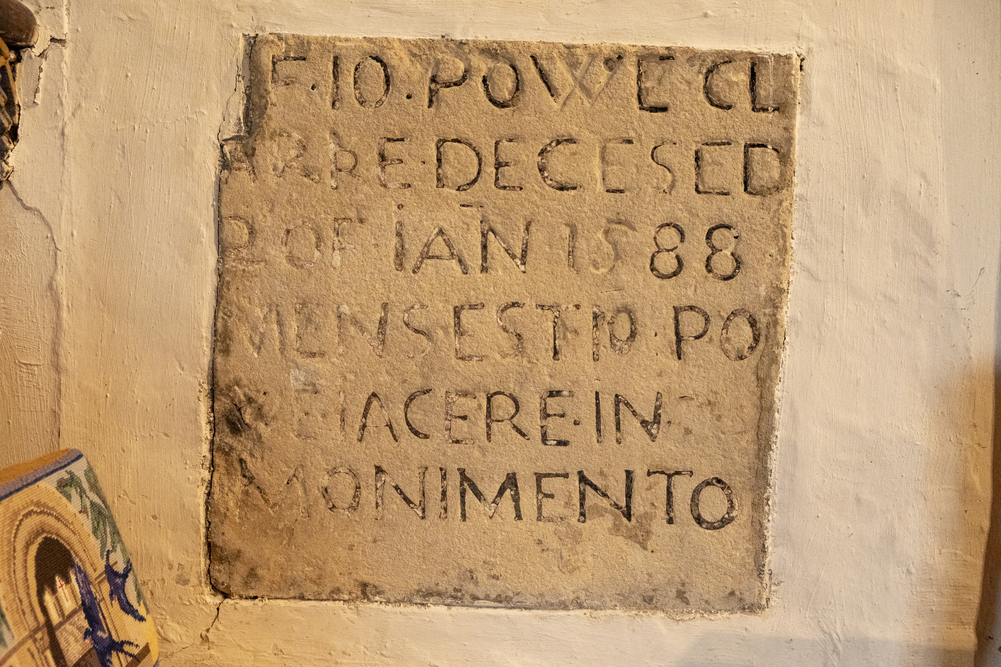
In Woolley church a deep peace thickly falls. Wooley was one of only seventeen “thankful parishes” in the UK that received back every man they sent out to the Great War. When the Second World War came Woolley was a thankful parish yet again as all fifteen men and women returned home to peace in the valley.
Green alkanet lines the graveyard walls, herb Robert erupts between headstones. Antony Cavell; Reverend Peter Grigg; John Hensley; Lucy Johnson; William and Mary Kegan.
Sacred to the memory–
In Marshfield, after the walk, I stop at a tea room. A sea of elderly faces look up as the bell above the door brightly announces my entrance. I am sweaty, insect-bitten and wearing muddy boots. I order a slice of coffee and walnut cake, my favourite cake since I was a boy, since before I liked coffee. Or walnuts. It’s not as big a slice as I would like, but it never is. I wash it down with a coffee.
On the way out of Marshfield a pub is leaking men, and they collect thickly around the door. It looks like they're a few drinks in and as I get closer I notice their clothing. They look to be attending a wake. Their energy is taut and uncertain . I would love to know something about who they are remembering today but their company is obviously private. Though they talk loudly, their wagons are tightly circled and they are unaware of anyone outside their party. I walk around the lumpy shape of their grief, plip the car open and unload backpack and camera into the boot. The sound of their heavy words echoes back and forth in the narrow, ancient street, clinging loudly, determinedly to the ground.
For God alone my soul waits in silence–